Top Personal Experiences That Shape Our Living Spaces
- Ryan Lovejoy
- May 21
- 4 min read
Our living spaces are more than just physical structures; they are reflections of our personal journeys, experiences, and memories. Each room tells a story, shaped by the choices we make and the moments we cherish. In this blog post, we will explore how various personal experiences influence our living environments, creating spaces that resonate with our identities and lifestyles.
The Impact of Childhood Memories
Nostalgia and Design Choices
Childhood experiences often leave a lasting imprint on our preferences and choices. For many, the homes they grew up in serve as a blueprint for their own living spaces.
Color Schemes: A bright yellow kitchen reminiscent of a grandmother’s home can evoke warmth and comfort.
Furniture Styles: Vintage pieces that remind us of family gatherings can become focal points in our homes.
These nostalgic elements not only enhance the aesthetic appeal but also create an emotional connection to our spaces.
Creating Safe Havens
For some, childhood experiences may have been challenging, leading to a desire to create safe havens in adulthood. This can manifest in:
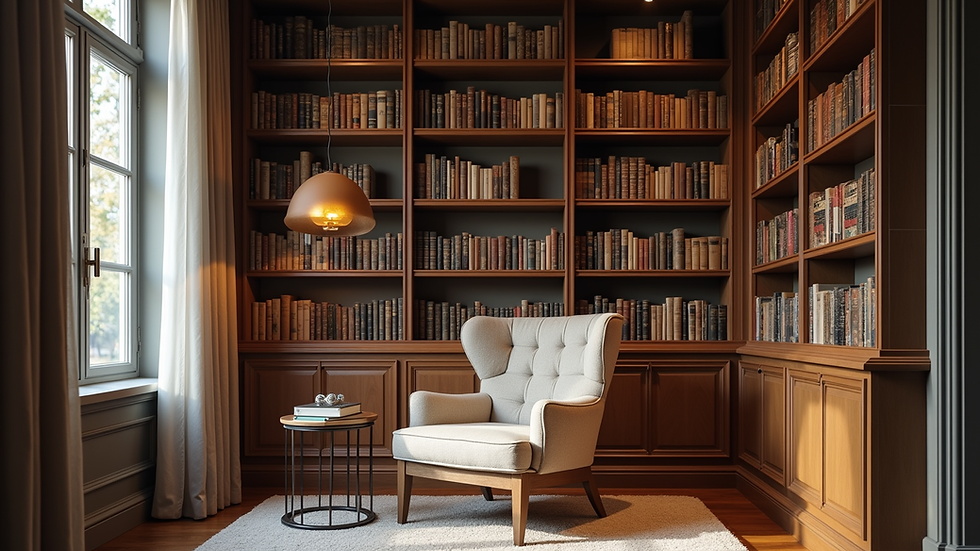
Cozy Nooks: Designing a reading corner with soft lighting and plush cushions can provide a retreat from the outside world.
Personalized Decor: Incorporating items that symbolize strength and resilience can transform a space into a sanctuary.
By consciously designing our environments, we can foster a sense of security and peace.
Travel Adventures and Global Influences
Infusing Culture into Home Design
Travel experiences often inspire us to incorporate elements from different cultures into our living spaces.
Art and Decor: Artifacts collected from travels, such as handmade pottery or textiles, can add unique character to a home.
Color Palettes: The vibrant colors of a Moroccan market or the serene hues of a Japanese garden can influence our choice of paint and decor.
These global influences not only beautify our homes but also serve as reminders of our adventures and the diverse world we inhabit.
Creating Functional Spaces
Travel can also teach us about functionality and efficiency in design. For instance, living in a small apartment in a bustling city may inspire us to:
Maximize Space: Use multi-functional furniture that serves more than one purpose, such as a sofa bed or a dining table that doubles as a workspace.
Embrace Minimalism: Adopt a minimalist approach, focusing on essential items that bring joy and utility.
By integrating these lessons, we can create living spaces that are both beautiful and practical.
Relationships and Shared Spaces
Designing for Connection
Our relationships significantly influence how we design our living spaces. Whether it’s a partner, family, or friends, the need for connection often shapes our environments.
Open Layouts: Creating open spaces encourages interaction and fosters a sense of community within the home.
Shared Experiences: Designing areas for shared activities, such as a game room or a communal dining area, can strengthen bonds and create lasting memories.
These intentional designs promote togetherness and enhance the quality of our relationships.
Personalization and Individuality
While shared spaces are important, it’s equally vital to carve out areas that reflect individual personalities.
Personal Corners: A dedicated workspace or hobby area allows for personal expression and creativity.
Unique Decor: Incorporating personal items, such as photographs or artwork, can make a space feel uniquely yours.
Balancing shared and personal spaces ensures that everyone feels valued and represented in the home.
Life Transitions and Adaptations
Adapting to Change
Life transitions, such as moving to a new city, starting a family, or downsizing, often necessitate changes in our living spaces.
Functional Adjustments: A growing family may require additional bedrooms or play areas, prompting a redesign of existing spaces.
Emotional Considerations: Downsizing can lead to a more intentional approach to belongings, focusing on what truly matters.
These adaptations not only reflect our current circumstances but also allow us to embrace new opportunities and challenges.
Creating Flexible Spaces
As our lives evolve, so too should our living spaces. Designing flexible areas can accommodate changing needs:
Multi-Use Rooms: A guest room that doubles as a home office can be a practical solution for those with limited space.
Adaptable Furniture: Investing in furniture that can be easily rearranged or repurposed allows for greater versatility.
By designing with flexibility in mind, we can create environments that grow with us.
The Role of Hobbies and Interests
Reflecting Passions in Design
Our hobbies and interests can significantly shape our living spaces. Whether it’s cooking, gardening, or crafting, these passions often dictate how we design our environments.
Kitchen Layouts: A passionate cook may prioritize a spacious kitchen with high-quality appliances and ample counter space.
Gardening Areas: For gardening enthusiasts, creating a dedicated space for plants, whether indoors or outdoors, can enhance their living experience.
Incorporating these elements not only supports our interests but also enriches our daily lives.
Creating Inspirational Spaces
Designing spaces that inspire creativity can lead to greater fulfillment.
Art Studios: A well-lit art studio with ample storage for supplies can encourage artistic expression.
Reading Nooks: A cozy corner filled with books and comfortable seating can foster a love for reading.
By creating environments that nurture our passions, we can enhance our overall well-being.
The Influence of Technology
Smart Homes and Modern Living
Technology has transformed how we interact with our living spaces. Smart home devices can enhance convenience and efficiency, shaping our daily routines.
Automated Systems: Smart lighting and thermostats can create a comfortable atmosphere while saving energy.
Home Security: Advanced security systems provide peace of mind, allowing us to feel safe in our homes.
These technological advancements not only improve functionality but also influence our design choices.
Balancing Technology and Comfort
While technology plays a significant role in modern living, it’s essential to balance it with comfort and warmth.
Natural Elements: Incorporating plants and natural materials can soften the high-tech feel of a space.
Comfortable Furnishings: Prioritizing comfort in furniture choices ensures that technology does not overshadow the human element of our homes.
By finding this balance, we can create living spaces that are both modern and inviting.
Conclusion
Our living spaces are deeply intertwined with our personal experiences, reflecting our journeys, relationships, and passions. By understanding how these experiences shape our environments, we can create homes that resonate with our identities and support our lifestyles. Whether through nostalgia, travel, relationships, or hobbies, each element contributes to a unique tapestry that defines our living spaces.
As you reflect on your own experiences, consider how they influence your home. What stories do your spaces tell? How can you enhance your environment to better reflect who you are? Embrace the journey of creating a living space that is not only functional but also a true reflection of you.


Comments